
7 Metrics Every Home Improvement Sales Team Should Track
Published: May 12, 2026
Read time: 5 minutes
Author: Paradigm

The struggle for home improvement sales teams isn’t for lack of effort. It’s oftentimes because they don’t have a clear picture of what is working for them and what is working against them. In this case, what you don’t know could hurt you.
The teams that improve close rates, protect margin, and scale more confidently are the ones tracking the right elements then putting that data to use to make better decisions. Focusing on the metrics that show where revenue is being won, lost, or delayed makes for a smarter, more successful team.
Why Sales Metrics Matter More Than Ever
Home improvement sales have always involved a mix of timing, trust, and execution. But the margin for error is smaller when projects are expensive, customer expectations are high, and competition is only a click away. That is why trust-your-gut sales tactics don’t cut it anymore. In order to be successful, teams need data that shows what is happening between the first lead and the signed contract.
The right sales metrics help answer practical questions. Are leads getting contacted quickly enough? Are appointments turning into sales? Are reps following up consistently? When those answers are visible, coaching gets sharper, forecasting gets easier, and accountability improves.
Common Mistakes Home Improvement Businesses Make
One of the most common mistakes is tracking too many numbers instead of the right ones. A dashboard full of metrics may look impressive, but if the team cannot interpret and act on the data, you won’t get very far. Another issue is trying to make sense of inconsistent data. If reps are entering information differently or missing updates, the numbers become harder to trust.
Another issue is organizational transparency. If management doesn’t share the data or act on the information, teams aren’t able to take action to improve performance.
The 7 Sales KPIs to Keep Your Team Focused
1. Lead-to-Appointment Conversion Rate
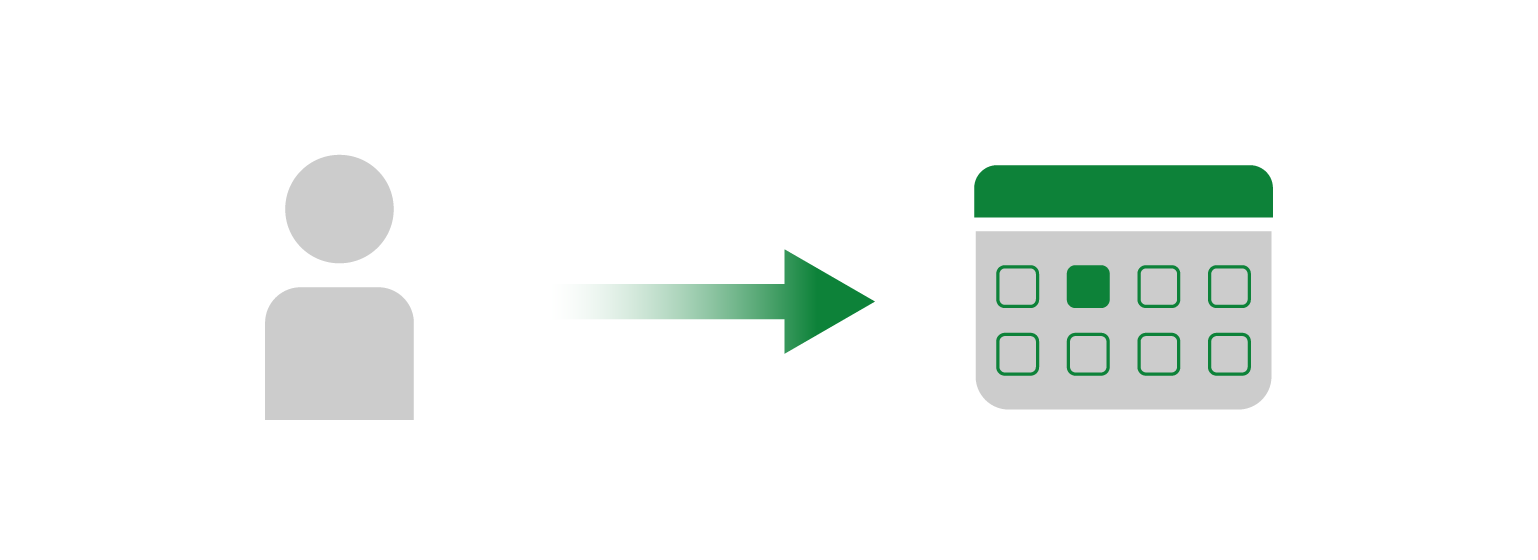
This metric measures the percentage of inbound leads that turn into scheduled appointments. It tells you a lot about how well marketing and sales are working together. If lead volume is healthy but appointments are lagging, the issue may be speed to lead, poor qualification, or weak contact outreach.
This metric matters because it shows whether the top of the funnel is functioning. If too many leads fall out before the appointment, the rest of the pipeline never has a chance. Improving response time, tightening qualification, and making outreach more consistent can have a direct impact here.
2. Appointment-to-Sale Close Rate

This is the percentage of appointments that turn into signed deals. For most home improvement businesses, it is one of the clearest indicators of sales effectiveness in the home. If appointments are happening but contracts are not, the issue may be presentation quality, pricing strategy, or the rep’s ability to build trust and guide the decision.
Close rate also helps separate lead quality issues from sales execution issues. If one rep is consistently closing at a much higher rate than another, that usually points to a process, training, or presentation gap worth fixing.
3. Average Ticket Size

Average ticket size measures the average revenue per closed job. This is one of the most important metrics for businesses trying to scale profitably, because growing revenue is not only about closing more jobs. It is also about increasing the value of each sale.
Top performers usually improve ticket size by presenting premium materials, bundling services, or using financing to make larger scopes more accessible. If average deal value is flat, it may be time to look at how options are being positioned and whether reps are creating enough room for customers to say yes to a better solution.
4. Sales Cycle Length
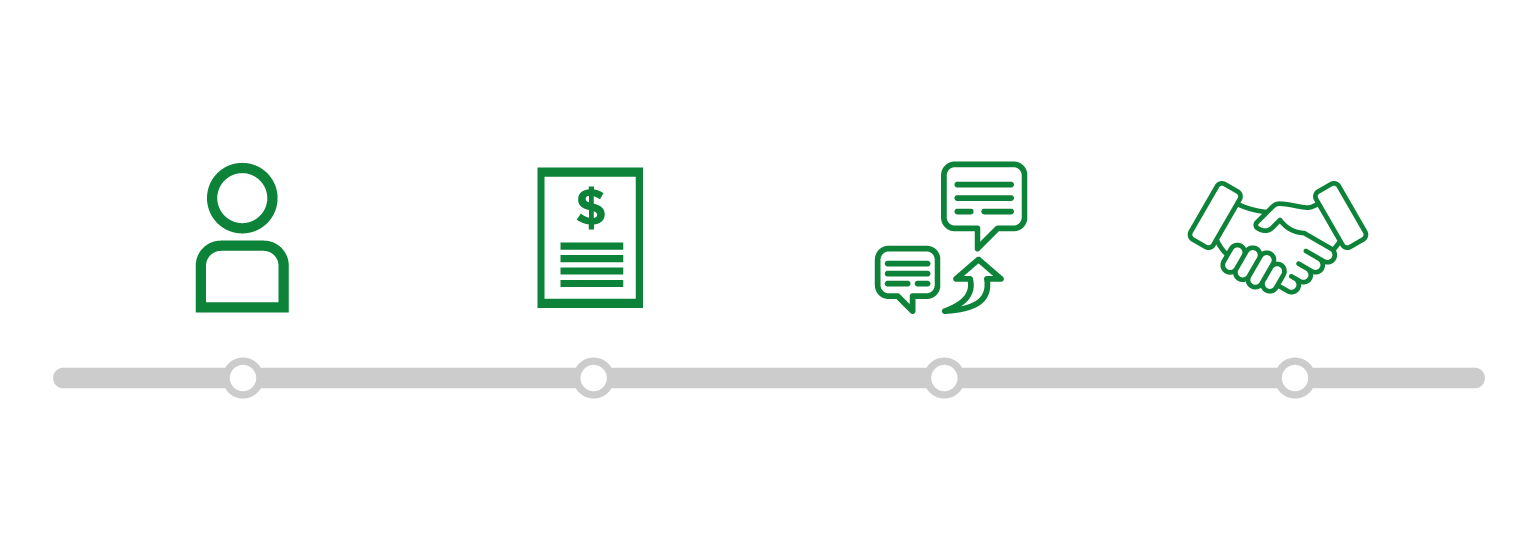
Sales cycle length tracks the average time between first contact and signed contract. Shorter sales cycles improve cash flow, make forecasting easier, and help businesses move more opportunities through the pipeline with less drag.
Some projects close in one visit. Others require multiple conversations, financing, or family decision-making. The point is not to force every sale into the same timeline. It is to understand where and why deals stall. Clear proposals, strong follow-up systems, and fewer points of friction can all help reduce cycle length.
5. Follow-Up Rate and Persistence
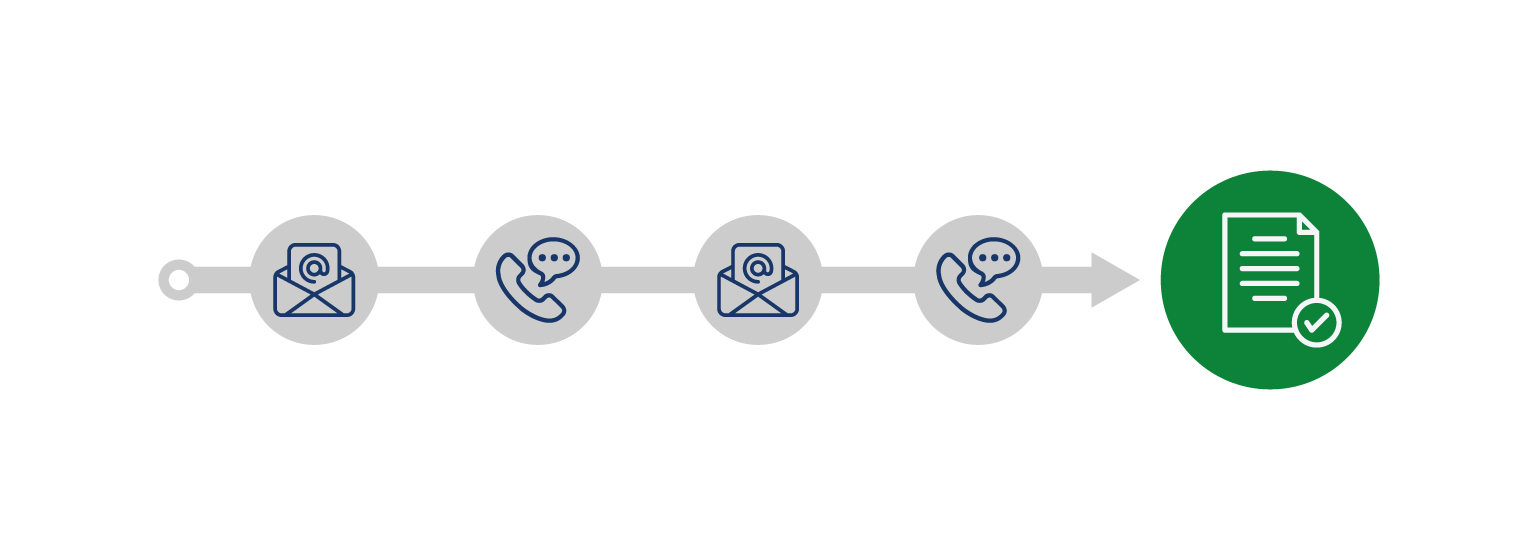
Most deals are not closed on the first visit. That makes follow-up one of the most important habits to measure. This KPI looks at both the number of follow-ups per lead and the consistency between them. If reps give up too early or let too much time pass, good opportunities slip away.
Tracking follow-up helps you spot whether the process is disciplined or reactive. It also shows where tools and systems can make a difference. Teams with clear reminders, organized workflows, and automated support tend to stay in front of leads more effectively than teams relying on memory alone.
6. Revenue per Sales Rep

Revenue per sales rep measures how much revenue each salesperson generates over a given period. It helps identify top performers, underperformers, and patterns that matter for hiring, coaching, and forecasting.
Used well, this metric helps leaders set more realistic quotas, identify coaching opportunities, and align compensation with business goals. It also gives a clearer view of whether low output is a pipeline issue, a close rate issue, or a productivity issue.
7. Cost per Acquisition by Sales Rep or Channel
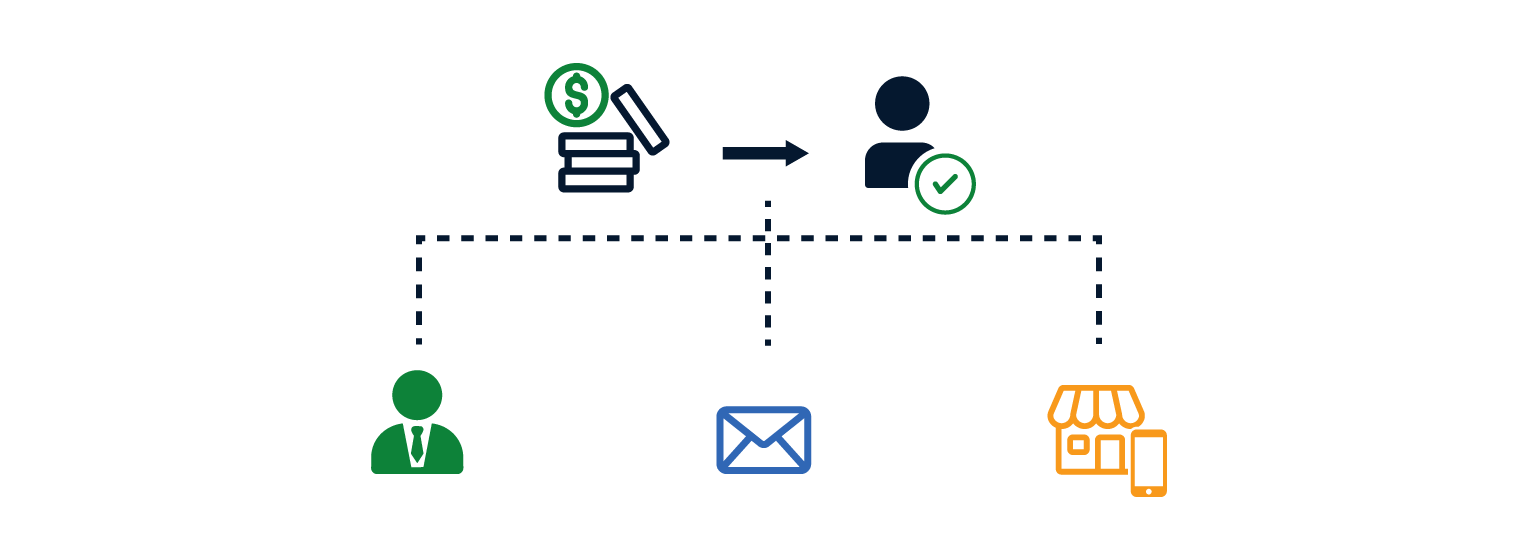
Cost per acquisition connects marketing and sales performance. It measures the total cost required to win a customer, including both marketing spend and sales effort. This metric becomes especially useful when you break it down by lead source or by rep.
A high CPA does not always mean the marketing channel is weak. It can also mean the sales process is underperforming. If leads from one source close more efficiently than another, or if one rep drives stronger returns from the same lead type, that tells you where to invest and where to improve.
Focus on Metrics That Drive Growth
What gets measured gets improved, but only if the measurements are useful. Most teams need a focused set of numbers that show where leads are getting stuck, where reps need support, and where growth is being held back.
The best place to start is with three or four metrics that directly affect revenue: lead-to-appointment conversion, close rate, average ticket size, and follow-up. Over time, tracking and acting upon these metrics will pay off by way of stronger close rates, better margins, and a sales process that can scale with more confidence.
If your team is looking for a better way to measure and manage performance, it may be time to explore how Paradigm Vendo supports a more connected home improvement sales process.
Learn More about
Paradigm Vendo
For remodelers who need estimating to support the full sales process, Paradigm Vendo brings estimating, quoting, and presentation into one connected workflow.
Instead of piecing together notes, pricing, and proposal documents after the appointment, reps can move through the sales conversation in a more structured way and generate quotes with greater speed and consistency.
"*" indicates required fields
Latest News

Houzz Study: How Contractors Can Win More Window & Door Projects
Discover what the latest Houzz renovation study means for contractors, from changing homeowner spending habits to winning more window and door projects.
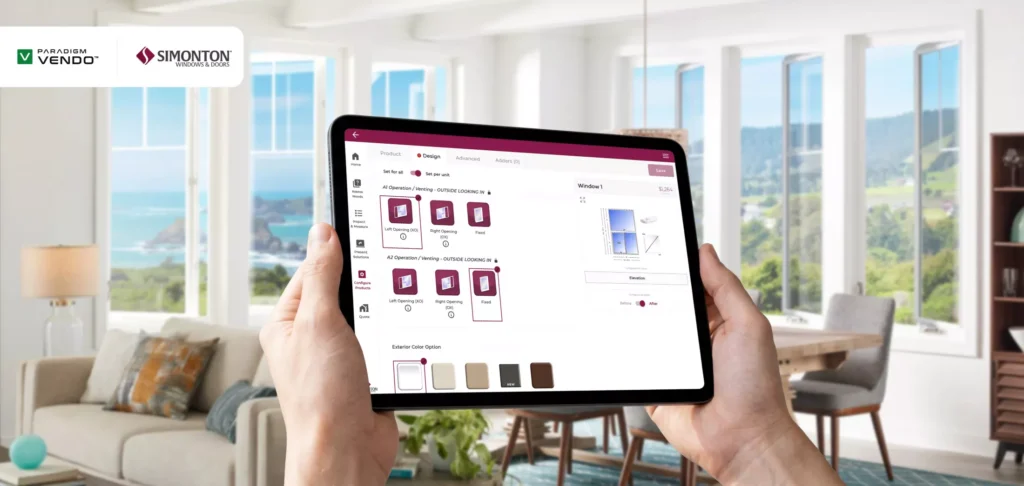
Simonton Windows & Doors Catalog Now Available in Paradigm Vendo for In-Home Sales
Paradigm is excited to announce the addition of two new Simonton Windows & Doors series products to Paradigm Vendo.

Addressing the Closing Rate Gap
Still creating estimates manually? Learn how window and door estimating software can boost sales, improve accuracy, and help your business scale faster.