
5 Mistakes Sales Reps Make When Quoting in the Home (and How to Avoid Them)
Published: July 28, 2026
Read time: 5 minutes
Author: Paradigm

The in-home selling appointment is where home improvement deals are won or lost. Surprisingly, many lost sales don’t happen because of a poor presentation or an inferior product. They happen during the quoting process.
Homeowners are shopping carefully. Industry research shows that most collect multiple bids before making a decision, meaning your quote is being compared not only on price, but also on speed, professionalism, clarity, and convenience. The way you present the proposal can become just as important as the proposal itself.
The good news is that many of the most common mistakes are completely avoidable. By improving your in-home sales process and equipping your team with the right digital tools, you can create a better buying experience while improving close rates and protecting margins.
In-Home Selling Mistakes That Lose Sales
Mistake #1: Leaving Without a Quote
One of the biggest mistakes in in-home selling is ending the appointment with, “I’ll get back to you with the numbers.”
It usually isn’t because the sales rep lacks confidence. Product configurations may be complex. Pricing may live back at the office. Measurements often need to be verified before anyone feels comfortable presenting a proposal.
Unfortunately, once the appointment ends, momentum begins to disappear.
The homeowner schedules another consultation, compares additional bids, or simply loses urgency. Meanwhile, a competitor who delivers a quote before leaving the home gains a significant advantage.
Modern Configure, Price, Quote (CPQ) technology changes that process. By guiding reps through product configuration while automatically building accurate pricing, digital quoting tools make same-appointment proposals possible. Instead of following up days later, sales teams can capitalize on the excitement of the consultation while the project is still top of mind. in a sales process where speed matters.
Mistake #2: Presenting Only One Option
Many sales reps present only one recommendation because they assume they know the homeowner’s budget or default to the product they know best.
The problem is that a single proposal gives the customer no context.
Without options, homeowners have no way to compare value, features, or price points. The proposal becomes a take-it-or-leave-it decision rather than a conversation.
Instead, present Good, Better, and Best options side by side.
Tiered proposals allow homeowners to choose the solution that fits their priorities while naturally introducing premium upgrades. Many customers ultimately select the middle or premium option because they can clearly see the additional value rather than simply the higher price.
When options are presented clearly, upselling becomes less about persuasion and more about helping homeowners make informed decisions.
Mistake #3: Relying on “Napkin Math”
Manual calculations remain surprisingly common during in-home sales.
Sales reps often juggle spreadsheets, printed price books, handwritten notes, and calculators while trying to build an estimate. In that environment, mistakes happen.
A forgotten labor charge, outdated pricing sheet, missed accessory, or incorrect discount can quickly turn a profitable project into one that erodes margin. Even worse, if a rep has to call the homeowner later to correct pricing, confidence in both the proposal and the company can disappear.
A better approach is to use centralized pricing rules that automatically include labor, materials, fees, and approved discounts. With guardrails built into the quoting process, every proposal is more accurate and consistent, regardless of which sales rep creates it.
Mistake #4: Waiting Until Price Becomes an Objection to Discuss Financing
Many sales reps treat financing as a backup plan instead of a core part of the presentation.
The conversation often sounds like this:
“The project is $28,000.”
Silence.
“Well…we do have financing available.”
By then, the homeowner is already focused on the total investment rather than the affordability of the project.
Successful in-home selling conversations introduce financing naturally alongside the proposal. Presenting monthly payment options with the total project cost helps homeowners evaluate what comfortably fits their budget rather than reacting to a single large number.
When financing options are integrated directly into the quote and customers can be pre-qualified during the appointment, the buying experience feels simpler, faster, and more transparent.
Mistake #5: Leaving the Homeowner Without a Clear Path to Yes
Even a great proposal can lose momentum if the next steps are unclear.
Paper quotes, emailed PDFs, and handwritten estimates often leave homeowners wondering what happens next. They review the proposal later, set it aside, or continue collecting bids. The longer the decision is delayed, the easier it becomes for uncertainty to replace excitement.
Strong in-home sales processes remove that friction.
Digital proposals should clearly outline the project scope, timeline, pricing, financing options, and terms while giving homeowners the ability to electronically sign the agreement before the appointment ends.
Making it easy to say yes often makes the difference between a proposal that sits in someone’s inbox and one that turns into a signed contract.
Build a Better Sales Process for In-Home Selling
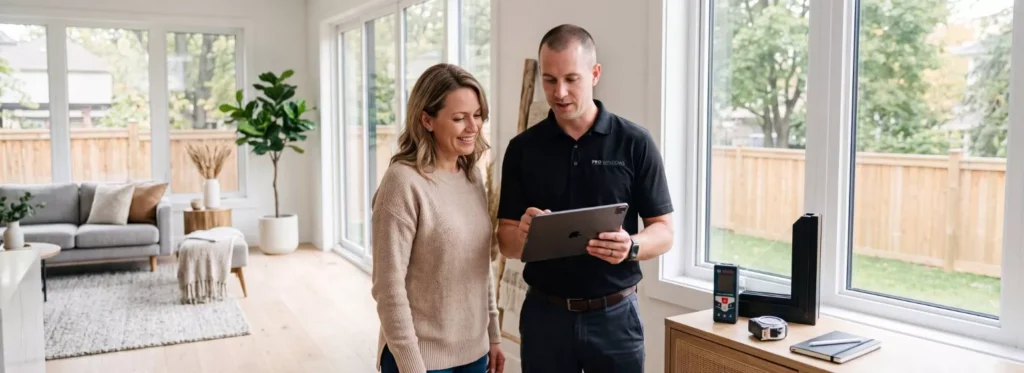
The strongest in-home selling teams don’t simply have better salespeople. They have better processes.
They quote while the homeowner is engaged. They present multiple options instead of a single recommendation. They build proposals with accurate, up-to-date pricing. They introduce financing early, and they make it simple for customers to move forward before leaving the appointment.
The common thread isn’t talent. It’s process.
Guided selling and CPQ technology help eliminate many of the manual steps that slow sales teams down, allowing reps to focus less on calculations and paperwork and more on building trust with homeowners.
Learn More about
Paradigm Vendo
Our software helps contractors bring estimating, quoting, and presentation into one connected workflow, so reps can move faster and sell with more confidence. Explore Paradigm Vendo to see how a connected estimating platform can help your team protect margin and win more of the right jobs.
"*" indicates required fields
Latest News
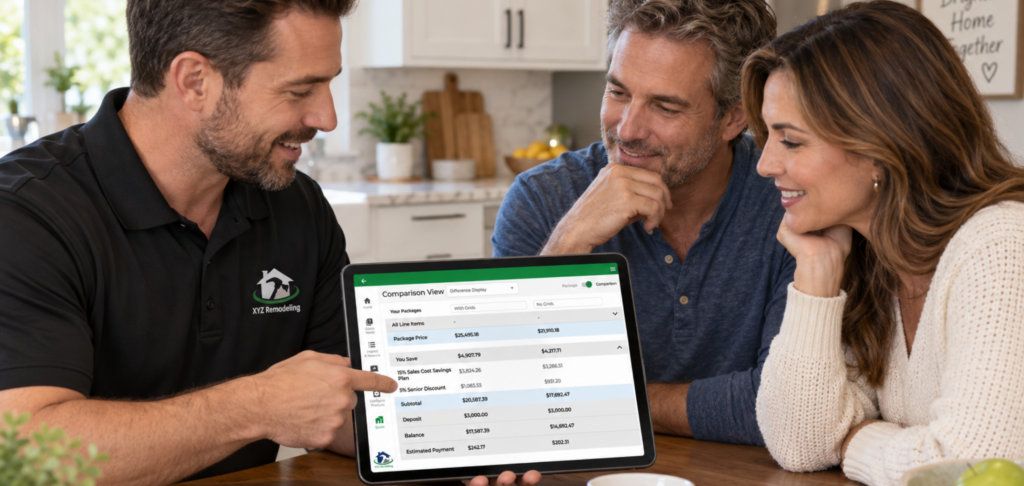
Effective Contractor Proposals: What Customers Want to See
Learn what homeowners actually look for in contractor proposals and how contractor proposal software helps you deliver polished, same-day quotes that win.
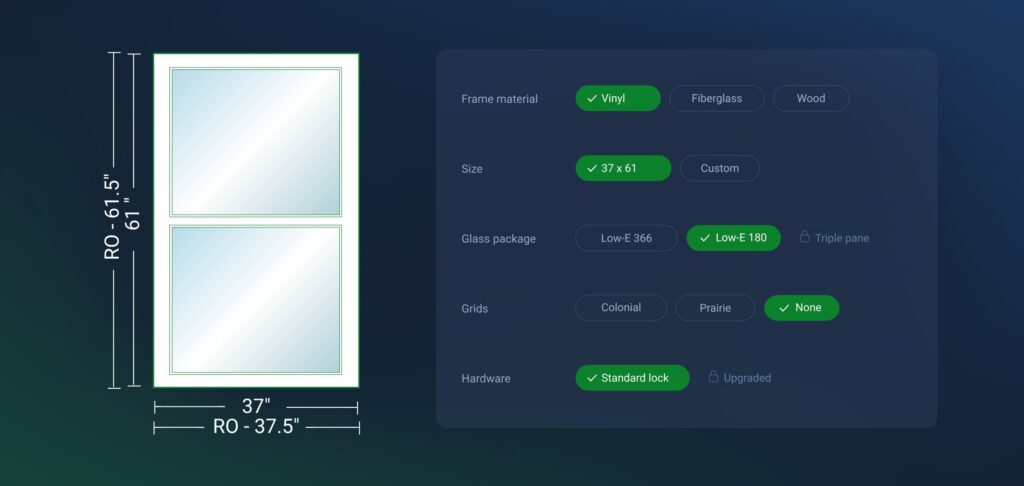
The Contractor’s Guide to Window Estimating Software
Faster, more accurate window project quotes mean more closed deals. Explore the key benefits of window estimating software for contractors.
A 10-Point Digital Selling Checklist for Sales Managers
Is your sales team getting the most from digital selling? Use this 10-point checklist to improve consistency, close more deals, and coach with confidence.